

Most people come home from a holiday needing another one. The trip was good, the destination delivered, and yet somewhere between the airport and the front door the tiredness that was there before is still there. A holiday is supposed to leave you feeling different. Not just rested, but reset: clearer, lighter, restored in a way that lasts longer than the journey home. Knowing how to recharge over the holidays turns out to require more than time off. It requires the right conditions.
The pattern is familiar enough. Two weeks blocked out in the calendar, flights booked, an itinerary assembled with the best intentions. Then the trip itself: the early starts, the moving between places, the pressure to see everything the destination is known for before the return flight closes the window. By the end of it, the schedule that was supposed to disappear has simply been replaced by a different one.
Crowded destinations compound the problem. The places most travelers go to relax are often the places most travelers go. The beach is shared. The stimulation that stress-free travel was supposed to provide relief from follows you there, wearing different clothes.
Recharging isn't the absence of activity. It's the presence of the right conditions: an environment the nervous system can actually respond to, a pace that doesn't require managing, hours between experiences that belong to no one's agenda but your own. Knowing how to travel stress-free starts with mindful travel: choosing a destination and a stay designed around the right conditions from the start, rather than hoping the schedule leaves room for it.
There's a reason the most restorative trips tend to involve water, open sky, and the particular quiet that only comes when other people's noise is genuinely absent. Nature travel isn't a category of holiday; it's a physiological shift. The sound of the ocean, clean air, the absence of anything mechanical or urgent: these aren't backdrops. They're doing something.
What compounds this is privacy. Stillness in a setting shared with strangers is a different thing entirely from stillness in a setting that belongs to you. The morning with no ambient pressure from a lobby or a restaurant queue, the beach that no one else is walking on: removing these is what allows real disconnection to happen. The two things work together, and finding both in the same place is rarer than it sounds. A beachfront villa in the Philippines is one of the few settings where both arrive effortlessly.
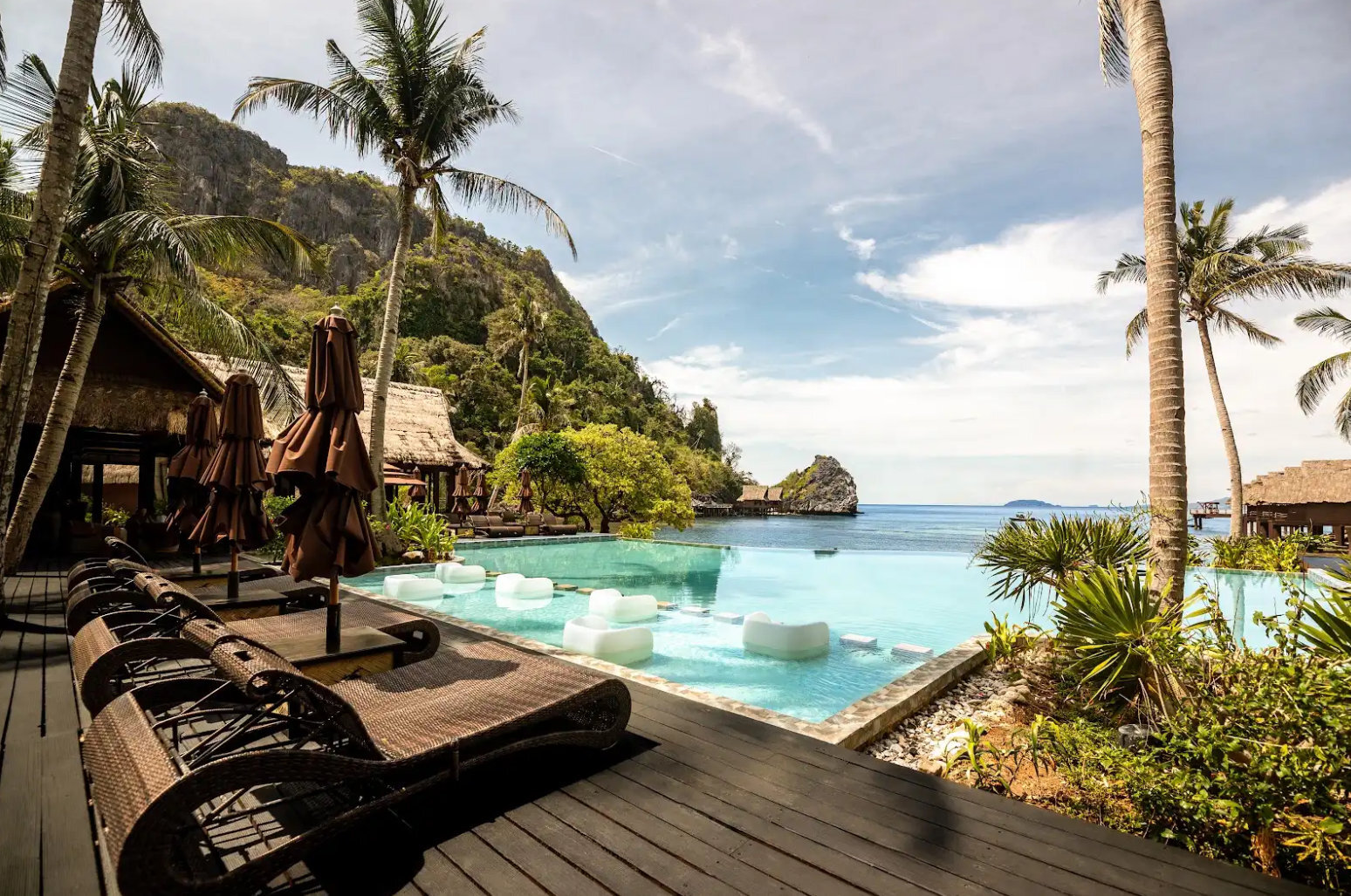
As a luxury resort in Palawan built on a private island in Bacuit Bay, Cauayan Boutique Private Island is built around what the brand calls the art of laid-back luxury: the idea that the most restorative experiences aren't the most stimulating ones, but the most intentional.
The spa sits within the island rather than beside it. An El Nido spa massage here feels categorically different from one taken in a city hotel: the setting does half the work before the treatment begins. Yoga, slow mornings, the option to do very little with complete justification. The solar plant, the farm-to-table kitchen, the eco-conscious design threaded through the property: these aren't amenities listed in a brochure. They're the reason the place feels the way it does.
The measure of a genuinely restorative holiday isn't how much it contained. It's how you feel on the other side of it: recalibrated, lighter in a way that carries past the return flight and the first week back. That's what nature travel at the right pace, in the right setting, with the right quality of privacy, can do.

